

Last Updated: November 11, 2026
Quick Summary
The best road bike saddles for long distance comfort match your sit-bone width, support bone rather than soft tissue, and include a full-length relief channel. Measure your sit bones at home, add roughly 20mm for a road position, then set height, level tilt, and fore-aft position before judging any saddle. Firm support with a proper cutout beats extra padding on long rides.
If you have finished a century ride with saddle soreness that outlasted your legs, you know the saddle matters as much as the frame. Riders often blame fitness for discomfort that traces back to the wrong road bike saddle.
Below is our quick comparison of the saddles we carry for long-distance comfort, followed by the fit principles that decide which one is right for you.
| Saddle | Price | Weight | Best For |
|---|---|---|---|
| Selle Italia SLR Elite | $279.90 | 170-172g | Racing and group rides |
| ENVE x Selle Italia SLR Boost 3D Kit Carbonio Superflow | $450.00 | 166-171g | Maximum pressure relief |
| PRO Stealth Performance | $190.00 | 204g | Aggressive aero positions |
| PRO Stealth Curved Performance | $190.00 | 204g | Riders who move laterally |
| Serfas TBM-10 | $30.00 | 452g | Relaxed, upright riding |
| Cloud-9 Kush Plus Medium | $40.99 | Not listed | All-purpose comfort |
| Cloud-9 Kush Plus Wide | $47.99 | Not listed | Wider sit bones |
| Cloud-9 Kush Plus Airflow | $47.99 | 444g | Ventilation on hot rides |
| Cloud-9 Metroline Airflow | $51.49 | Not listed | E-bikes and upright bars |
| Cloud-9 Kush Plus Narrow | $40.99 | Not listed | Sport riding on a budget |
Price
Saddle choice depends on shape and cutout design, padding type and firmness, rail and shell construction, and suitability for a specific riding position.
A common mistake is buying the widest, softest saddle available. Too much padding compresses soft tissue and creates friction on long rides.
If you are still assembling your long-distance kit beyond the saddle, our guide to what gear you actually need for long-distance cycling covers the rest.
Saddle width should match your sit-bone spacing, not your body size, height, or the saddle you rode in college. Narrow sit bones on a 176mm saddle rock side to side with every pedal stroke; wide sit bones on a 130mm saddle perch on the edges and load soft tissue instead of bone. Width is a common fit error and one of the easiest things to measure before you buy.
You do not need a shop to get a usable number. Here is the method we walk riders through:
That is a range, not a rule, measure to know where you land.
Once you have a measurement, match it to the nearest available width and then adjust for posture and riding style:
Watch out: measuring on a soft surface, or sitting upright when you actually ride in the drops, pushes you one width too wide, and an over-wide saddle is just as uncomfortable as an over-narrow one.
Width sets the platform; shape and cutout decide what happens to the soft tissue between your sit bones.
Anatomy varies enough that a measurement is more reliable than a gender label on a box. To understand how a 3D-printed cover changes pressure distribution across a given width, read our breakdown of why a 3D printed saddle is the upgrade your bike needs.
A saddle cutout is a channel or recess running through the center of the saddle that removes pressure from soft tissue and the nerves running beneath it.
The PRO Stealth Performance uses a broad anatomic fit recess with its triple bridge design.
Cutout shape matters as much as cutout presence. A channel that is too narrow does little; one that runs the full length of the saddle relieves pressure in every position.
Saddle setup decides whether a good saddle feels good. The same saddle that is unbearable at the wrong height feels neutral at the right one, and most riders who conclude they need a new saddle actually need twenty minutes of adjustment. Work through the three adjustments in order, change one thing at a time, and give each change a real ride before judging it.
Height affects everything downstream, so set it before tilt or fore-aft. A common starting point is a slight bend in the knee at the bottom of the pedal stroke with your heel on the pedal, then confirm under load.
Change height in 3-5mm steps, small enough to feel, large enough to matter, and safe to ride. Watch out: raising the saddle to fix knee pain without checking fore-aft position often trades one problem for another.
Start with the saddle level, measured across the full length rather than eyeballed at the nose. From level:
Small tilt changes, one or two degrees at a time, are enough. If you find yourself constantly pushing back against a downward slope, the tilt is wrong, not your discipline.
Fore-aft position sets knee tracking over the pedal spindle. Move the saddle forward in small steps if you feel stretched out at the hoods; move it back if you feel cramped and your knees crowd the bars. Change it in 5mm increments and recheck height afterward, because fore-aft changes your effective leg extension.
New saddles and new positions both need time, and the mistake is changing three things at once and then guessing which one helped. Use this sequence:
This is the distinction most riders never make, and it decides whether you spend money or spend twenty minutes with a hex wrench.
Watch out: persistent numbness, skin breakdown, or pain that continues after you get off the bike is not a setup puzzle to solve alone.
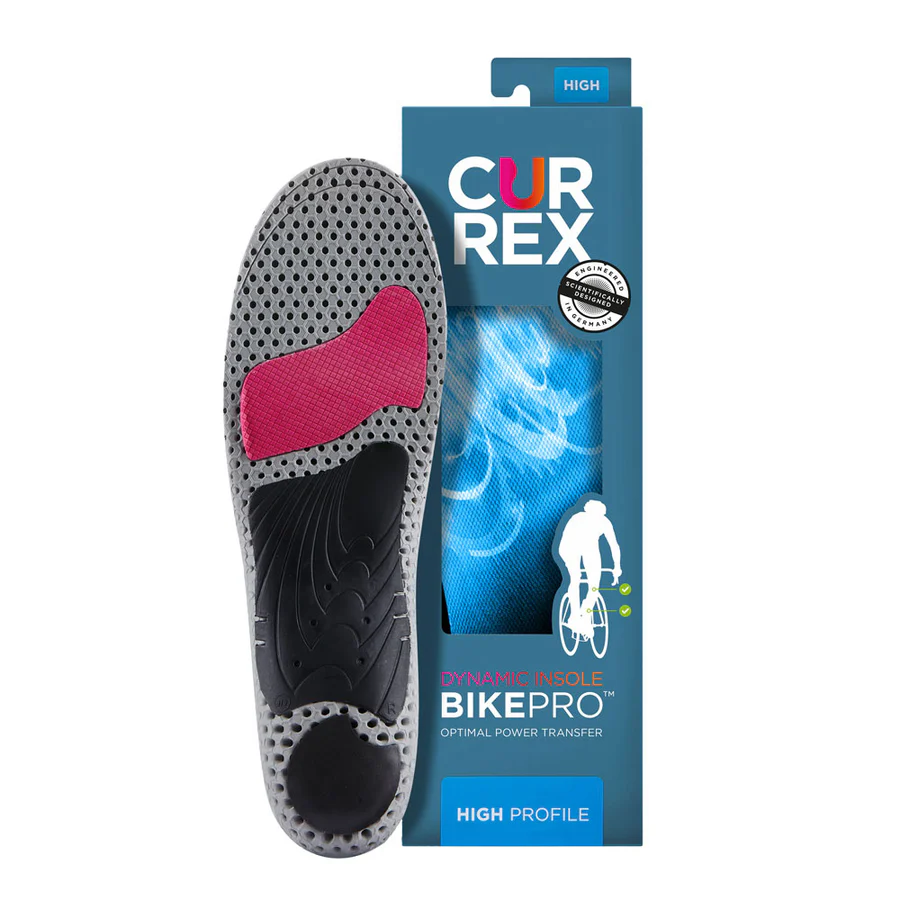
Foot comfort feeds into saddle comfort more than most riders expect. Cycling-specific insoles such as Currex BikePro insoles support the foot through the pedal stroke and reduce the rocking that travels up to the saddle.
The most comfortable bike saddle for long rides is the one that matches your sit bones, your position, and your tolerance for firmness. Our picks, in order of how often we fit them successfully:
ENVE x Selle Italia SLR Boost 3D Kit Carbonio Superflow ($450.00) is our top pick for pressure relief. The 3D-printed cover with differentiated cushioning zones and the Superflow cutout handle long days in the drops, and carbon rails keep it at 166-171g. The honest limitation: it costs more than most riders expect, and the firm, progressive feel is not for everyone.
Selle Italia SLR Elite ($279.90) is the all-rounder.
PRO Stealth Performance ($190.00) is built for aggressive, forward positions.
PRO Stealth Curved Performance ($190.00) differs with a rounded rear profile and slightly narrower nose, made for riders who move side to side while pedaling.
Serfas TBM-10 ($30.00) and the Cloud-9 Kush Plus range ($40.99-$51.49) cover relaxed riding, upright bars, and budget builds. Memory foam and anatomic channels deliver comfort at a low entry price, though the added weight and width suit casual riding more than race pace.
If saddle comfort has you rethinking the whole bike, our 2026 guide to the best road bikes for long rides pairs well with this list.
Saddle choice is half the equation; position is the other half. A professional bike fit measures your sit bones, checks saddle height and tilt against your actual pedal stroke, and confirms fore-aft position under load.
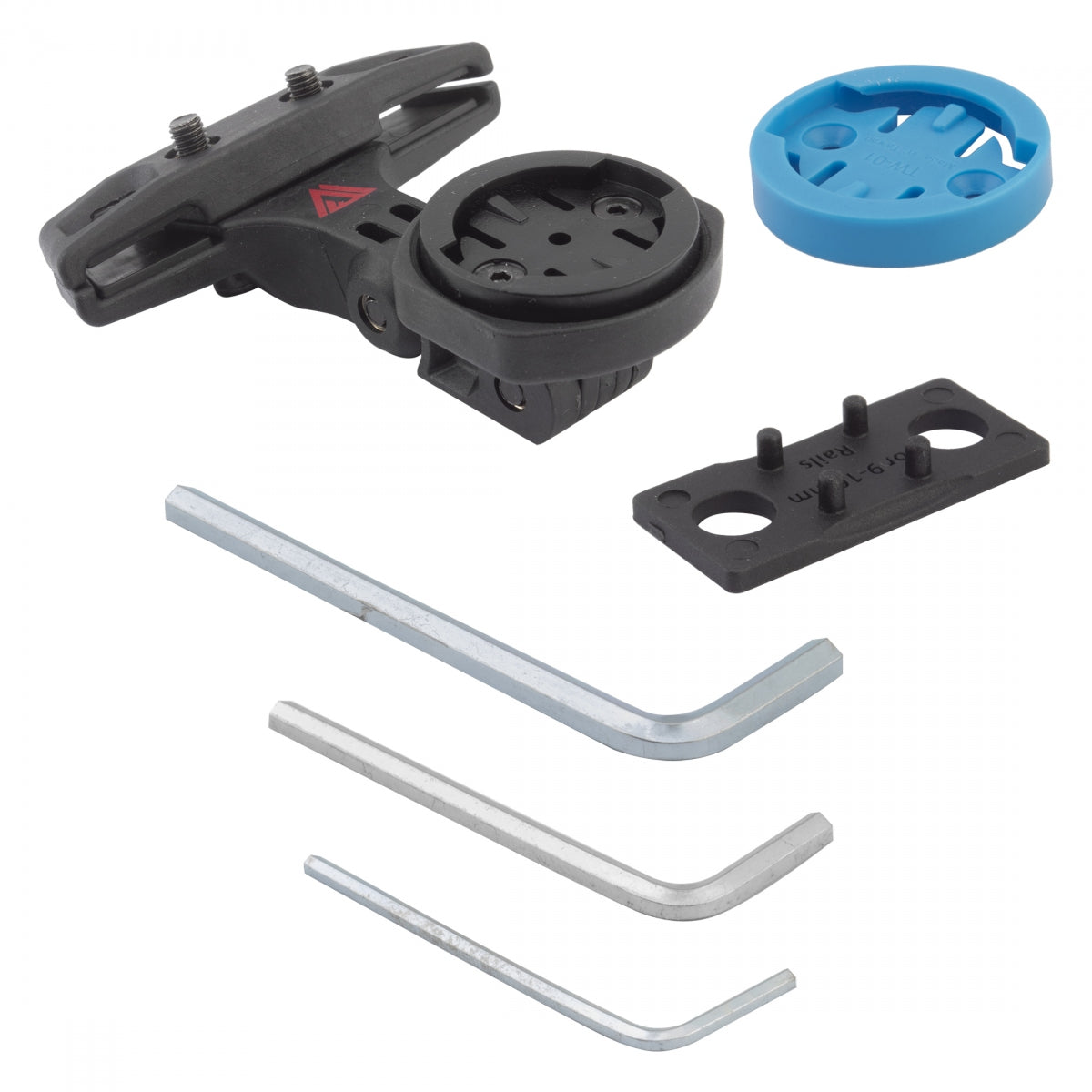
Playtri Sarasota offers professional bike fitting for riders at all experience levels. If you ride with a computer or rail-mounted accessory, a mount like the Kom Cycling saddle rail mount keeps your setup clean without interfering with the saddle.
Saddle soreness on long rides is usually a fit problem, not a toughness problem.
There is no single answer because comfort depends on your sit-bone width, riding position, and flexibility. Riders who hold an aggressive, forward position often do well with a short-nose saddle that has a broad relief recess, while riders who sit more upright benefit from a wider saddle with more padding. The Selle Italia SLR Elite and the PRO Stealth Performance are both options to consider, and a proper fit measurement helps determine which saddle suits you.
Start by measuring your sit-bone width, usually done at a shop with a pressure pad or gel measuring tool. Add roughly 20 to 30 mm to that number to account for your riding position, then compare it to the saddle's listed width. A saddle that is too narrow concentrates pressure on soft tissue; one that is too wide causes chafing on the inner thighs.
Yes. A cutout or pressure-relief channel reduces compression on the perineal area, which is where numbness and saddle soreness typically start on rides over two hours. The ENVE X Selle Italia SLR Boost 3D Kit Carbonio Superflow uses Selle Italia's Superflow cutout, and the PRO Stealth Performance uses a broad anatomic recess. The shape matters as much as the presence of a cutout: a channel that runs the full length of the saddle relieves pressure in both upright and aggressive positions.
Set saddle height so your knee is slightly bent at the bottom of the pedal stroke, start with the saddle close to level, and adjust fore-aft so your knee sits over the pedal spindle when the crank is horizontal. Small changes of 2 to 3 mm in height or a degree of tilt can shift pressure noticeably. If you still feel soreness after a few rides, a professional bike fit will identify whether the saddle, the position, or both need to change.


Leave a comment