

Quick Summary
Choose a chain lube based on the conditions you ride most. Dry lube suits dusty, sandy trails because it attracts less grit, while wet or hybrid lube holds up better in rain and mud. Clean the chain before each fresh application, and match your lube to your local trails and how often you clean.
Last Updated: November 18, 2026
A chain that clicks, skips under load and looks gritty is a common complaint among riders. The chain lube is often the place to start, not the drivetrain. Choosing the right mountain bike chain lube keeps your drivetrain quiet, smooth and durable, and it does more than most riders expect.
Chain lube does three jobs. It reduces friction between the rollers and plates, it protects the metal from moisture and corrosion, and it helps keep the chain clean. The wrong product can fail at one or more of these jobs, especially on trails with mud, sand or fine dust. A lube that suits a dry Florida trail can turn into a grit magnet in a wet forest.
Riders in Sarasota, Lakewood Ranch and Bradenton face a mix of conditions, from sandy singletrack and humid heat to occasional summer downpours. That combination makes lube selection more important than a single product recommendation. In practice, the best approach is to match the lube to the conditions you ride most often, then adjust your maintenance routine to match.
Wet lube and dry lube differ mainly in how they behave after application. Wet lubes stay liquid or tacky, which gives them good staying power in wet, muddy conditions. Dry lubes apply as a thin film that dries to a waxy or dry-to-touch finish, which resists picking up dirt in dusty conditions.
Wet lube is a good fit for riders who face rain, mud, stream crossings or wet, cold weather. It keeps the chain protected when water washes over it. The trade-off is that it attracts dirt, so the chain needs more frequent cleaning.
Dry lube suits riders in dusty, sandy or mostly dry terrain. It leaves less residue, so grit sticks less. The trade-off is that it wears off faster in wet conditions and needs reapplication after rain.
For most Florida riders, dry lube is the better default for trails that stay dry for long periods, while wet lube is more useful after frequent rain. If you ride both, keep two products on hand and switch based on the forecast.
Chain lubricants fall into a few broad families. Oil-based lubes are the most common and penetrate the rollers well. They tend to attract more dirt. Wax-based lubes form a firmer coating that resists grit. Hybrid formulas try to combine both approaches, often using a synthetic oil carrier with wax or other additives.
Each family has a clear strength and a clear weakness. Oil-based lube gives smooth shifting but needs regular cleaning. Wax-based lube stays cleaner but can feel less smooth at first and may need a fresh coat more often. Hybrids are a reasonable compromise for riders who want versatility.
Drip wax is the most practical choice for many mountain bikers. Hot wax delivers excellent results but requires more effort than most riders want to invest.
The table below sums up how each lube type behaves and when it fits your riding.
| Lube type | Best for | Key difference |
|---|---|---|
| Wet lube | Rain, mud, stream crossings | Resists washing off but attracts dirt |
| Dry lube | Dusty, sandy, dry trails | Leaves less residue so grit sticks less |
| Oil-based | Smooth shifting | Penetrates well but collects grit |
| Wax-based | Cleaner running | Resists dirt but may wear off in wet riding |
| Hybrid | Mixed conditions | Combines oil carrier with wax or additives |
Most riders do not need a product ranking. They need a repeatable way to match a lubricant to how and where they actually ride.
1. How often does the trail stay wet? Think about the surface your chain sees, not the forecast.
2. How long are your rides, and how far from help do you go? Short local loops tolerate a lube that needs frequent reapplication.
3. How much cleaning are you willing to do? This is the question most guides skip. Wet and oil-based lubes protect well but collect grit, so they demand more frequent degreasing.
4. What is your drivetrain doing? Heavier riders, e-MTB torque, and lots of climbing load the chain harder and wear it faster, which favors more durable formats and more frequent checks.
Putting it together:
A common mistake is copying a friend's setup instead of matching the lube to your own conditions and habits.
Watch out: Do not switch between a wet lube and a drip wax without cleaning the chain first.
Florida trails combine sand, humidity and sudden storms, so the best dry lube here needs to resist grit while holding up through humid days. Our pick for dry, dusty riding is the Motorex Chainlube for Dry Conditions 100 ML.
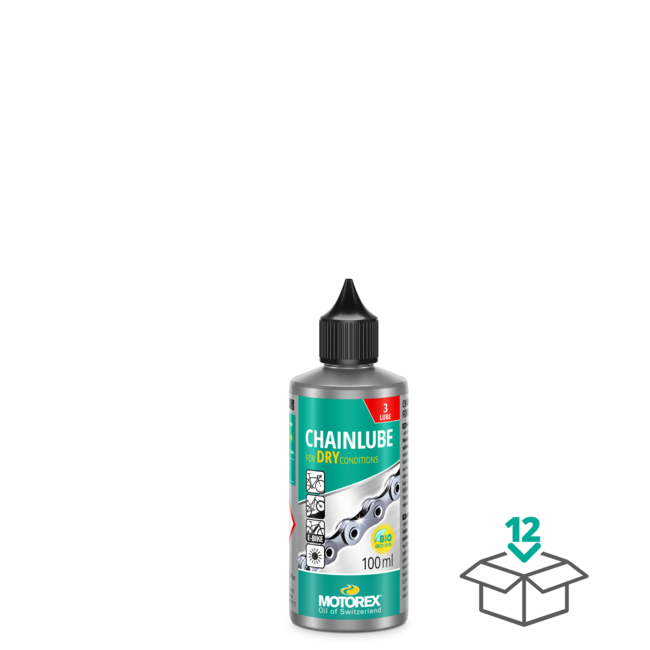
Best for: Riders on dry, sandy or dusty trails who want a clean-running chain between washes.
Skip if: You ride mostly in wet mud or rain, where a wet lube will hold up better.
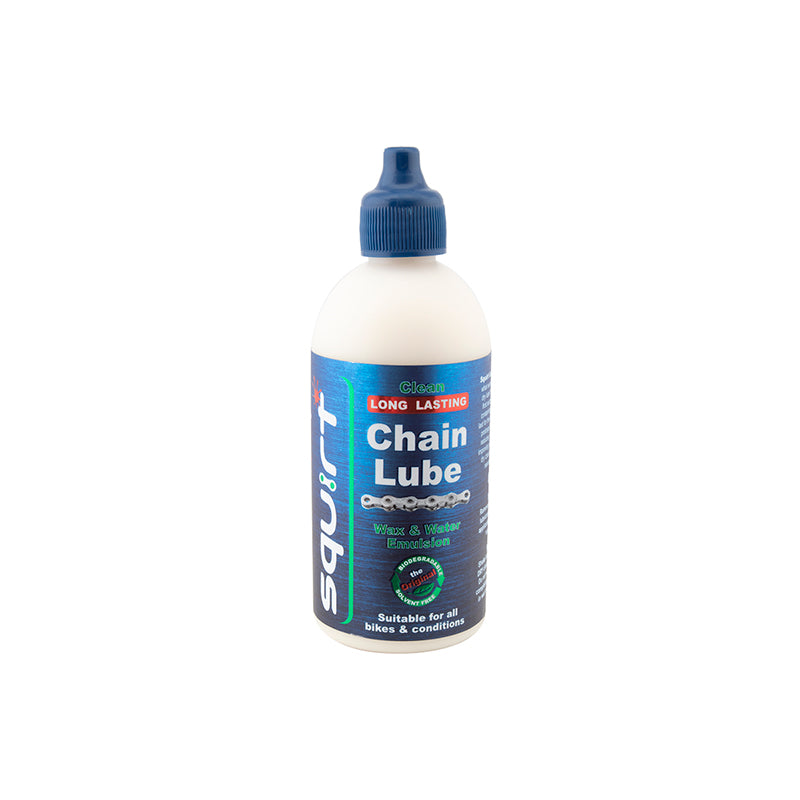
For riders who want a wax-based option that is easy to apply, the Squirt Dry Lube 4oz is another practical choice. Its wax-based emulsion is designed for road and trail use, and it is listed as long lasting and biodegradable.
If you need a lube that handles both light trail work and general maintenance, the TriFlow Superior Lubricant 2oz is worth considering. The TriFlow Superior Lubricant listing describes it as suitable for wet, dry, road and trail riding, with a light viscosity that penetrates hard-to-reach parts.
Lubrication frequency depends more on conditions than on mileage alone. A chain on a dry Florida trail may need attention every few rides, while a chain used in wet mud may need a clean and re-lube after every outing.
Look for these signs that your chain needs lube:
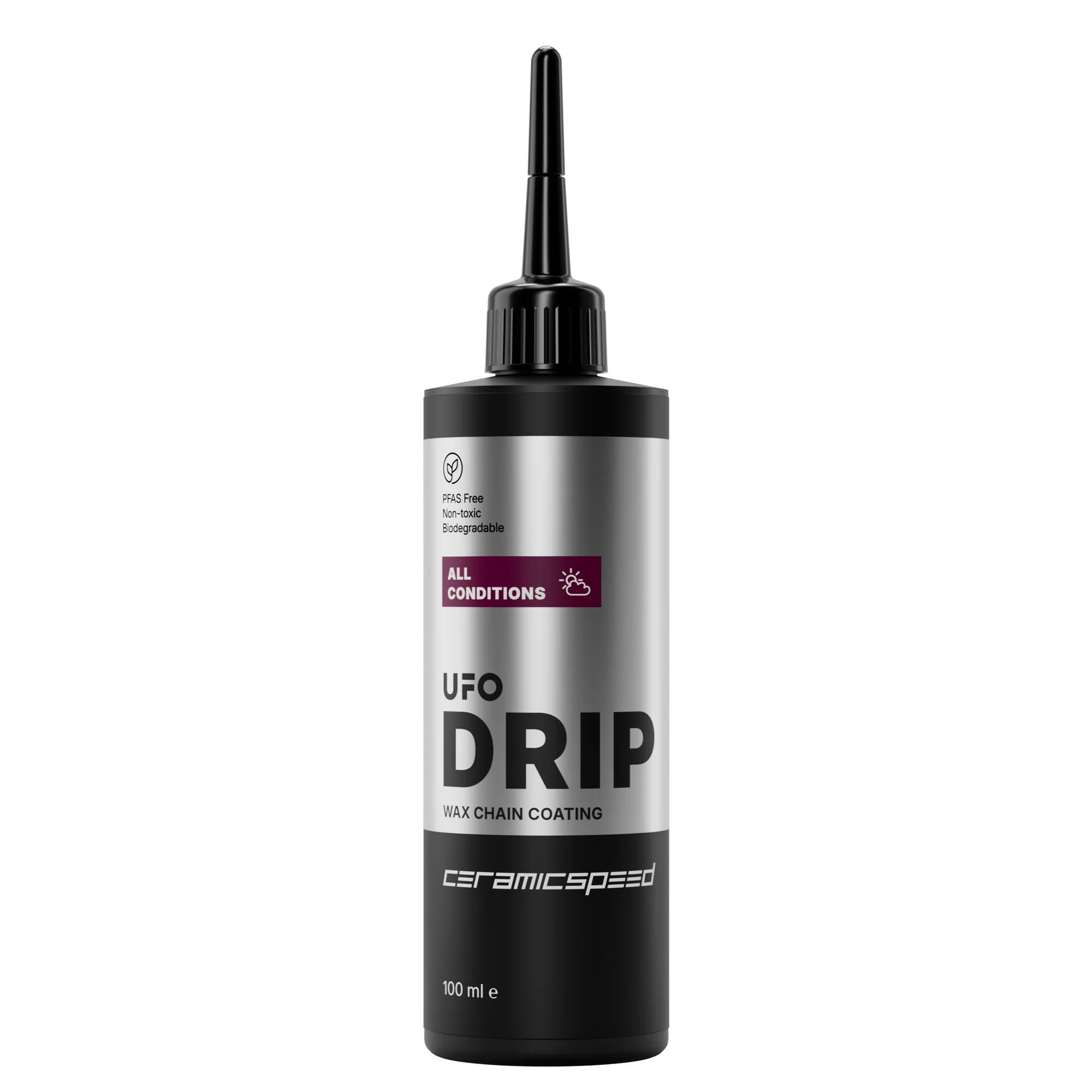
The CeramicSpeed UFO Drip All Conditions Wax Chain Coating 100 ml is a drip wax designed for riders who want a low-friction coating across conditions. The product description states that a proper application lasts about 300 km (180 miles) in generally dry and clean conditions. Real-world intervals will be shorter in mud, rain or heavy grit, so check the chain regularly rather than relying on a fixed mileage number.
Clean the chain before applying new lube. For step-by-step help, see the Sarasota bike repair and maintenance guide for cleaning and lubing advice. Old lube mixed with grit creates a paste that wears the chain and cassette faster.
Watch out: Applying too much lube is the most common mistake. The extra residue collects grit and makes the chain worse. Wipe the chain until it looks almost dry to the touch.
If your chain keeps skipping, your shifting feels off or you are unsure which lube fits your riding, a professional look can save time and money. Playtri Sarasota offers expert bike repair and service. If your riding position also contributes to chain or knee strain, a bike fit can help identify setup issues.
Our team can help you think through a lube choice for your riding conditions. Stop in or reach out to talk through your trails and riding habits. Get the right lube for your riding, and keep your drivetrain running smoothly from the first ride to your next race.
Playtri Sarasota is a locally owned bike shop near University Town Center in Sarasota, serving riders across Sarasota, Lakewood Ranch and Bradenton.
No single lube wins everywhere. Wet lubes hold up better in rain and mud, while dry lubes resist dust and grit and leave less residue on the chain. For the dry, sandy and humid conditions common in Southwest Florida, a dry-conditions lube often works well because it resists dirt pickup. Start with the conditions you ride most, then choose the formulation that matches them. Our team can help you compare options for your riding style when you visit the shop.
It depends on where you ride. Wet lube is thicker and stays on longer in wet, muddy conditions, but it attracts more dirt in dusty trails. Dry lube is a lighter wax-based coating that dries to a film and shed grit better, making it a good choice for dusty or mostly dry riding. Many riders keep one of each and switch based on the forecast. If you are unsure which suits your rides, bring your bike in and we can talk it through.
Check your chain after every ride in wet or gritty conditions, and relubricate when it looks dry, dirty, or makes noise under pedaling. Chain noise, a dull or dry appearance, and rust spots are common signs it needs attention. Clean the chain before reapplying lube so new lube does not trap grit against the links. Riders on dry trails may go longer between applications than riders in mud.
Shift to a small cog, wipe the chain with a rag, and use a degreaser on a brush to remove grime from the links. Let the chain dry fully, then apply a thin line of lube to each roller while slowly backpedaling. Wipe off the excess with a clean rag so the chain does not attract dirt. Allow the lube to set according to the product directions before riding. Applying less lube, but more evenly, is usually more effective than heavy coats.



Leave a comment