

Last Updated: November 25, 2026
Quick Summary
The best electric bike helmets for safety carry a CPSC label at minimum, and riders who go faster should also look for NTA 8776. Choosing one also means checking for MIPS rotational protection and confirming the fit before you ride.
Many e-bike riders wonder whether a standard road helmet is enough. A helmet designed for cycling covers most everyday riding, but riders of electric bike helmets often travel faster and in more traffic than people on regular bicycles. That combination is the reason to check the helmet's rating before you buy.
At Playtri Sarasota, we suggest starting with the speed you ride most often, then choosing a helmet with a certification that matches it. Riders who commute on pedal-assist bikes in town have different needs from those who ride faster on open roads.
Helmet certifications tell you what a helmet was actually tested to withstand, and they are the single most useful piece of information on the box. Marketing language about "advanced protection" means little without a standard behind it. Here is what each label on a helmet sold in the United States actually represents.
CPSC (Consumer Product Safety Commission). This is the mandatory federal standard for bicycle helmets sold in the US. A helmet carrying a CPSC label has been tested against that government-defined impact standard.
CE EN 1078. This is the European helmet standard, and some helmets sold in the US carry this label alongside CPSC.
NTA 8776. This is a standard associated with higher-speed e-bike riding. Look for it on the helmet label when you ride faster.
How to use the labels. Start with the speed you actually ride. A CPSC-labeled helmet suits lower-speed pedal-assist commuting. If you regularly ride a faster e-bike or spend time at higher road speeds, look for NTA 8776 in addition to CPSC. A helmet can carry CPSC, EN 1078, and NTA 8776 at once, and that combination is the strongest signal you can read off a label.
Watch out: A helmet marketed as an "e-bike helmet" does not necessarily carry NTA 8776, so read the actual certification list rather than relying on the product name.
One more distinction worth knowing: certification covers impact protection, not rotational protection. A helmet can pass every standard above and still lack a rotational-impact system, which is why the next section matters.
Read the specifications before you buy, since certification varies by helmet. The Abus AirBreaker 2.0 MIPS and Abus GameChanger 2.0 Aero Race Helmet are aimed at faster road riding. Ask our staff to confirm which current models carry the NTA 8776 rating, since certification details can change between production runs.
The article points to a few helmet models and what to confirm before you buy, so this quick table lays them out.
| Model | Best for | Key note |
|---|---|---|
| Abus AirBreaker 2.0 MIPS | Faster road riding | Ask staff to confirm NTA 8776 rating |
| Abus GameChanger 2.0 Aero Race Helmet | Faster road riding | Ask staff to confirm NTA 8776 rating |
MIPS is a liner system designed to reduce rotational forces during an angled impact. Many crashes involve a glancing blow rather than a direct hit, which is why rotational protection is worth looking for. The Giro Aries Spherical Helmet pairs MIPS with a ball-and-socket design, while the Giro Syntax Mips Helmet and Giro Agilis Mips Helmet offer MIPS in a lighter build. If you want a MIPS-equipped option in a lower price range, the Abus Macator MIPS road bike helmet is one example to compare.
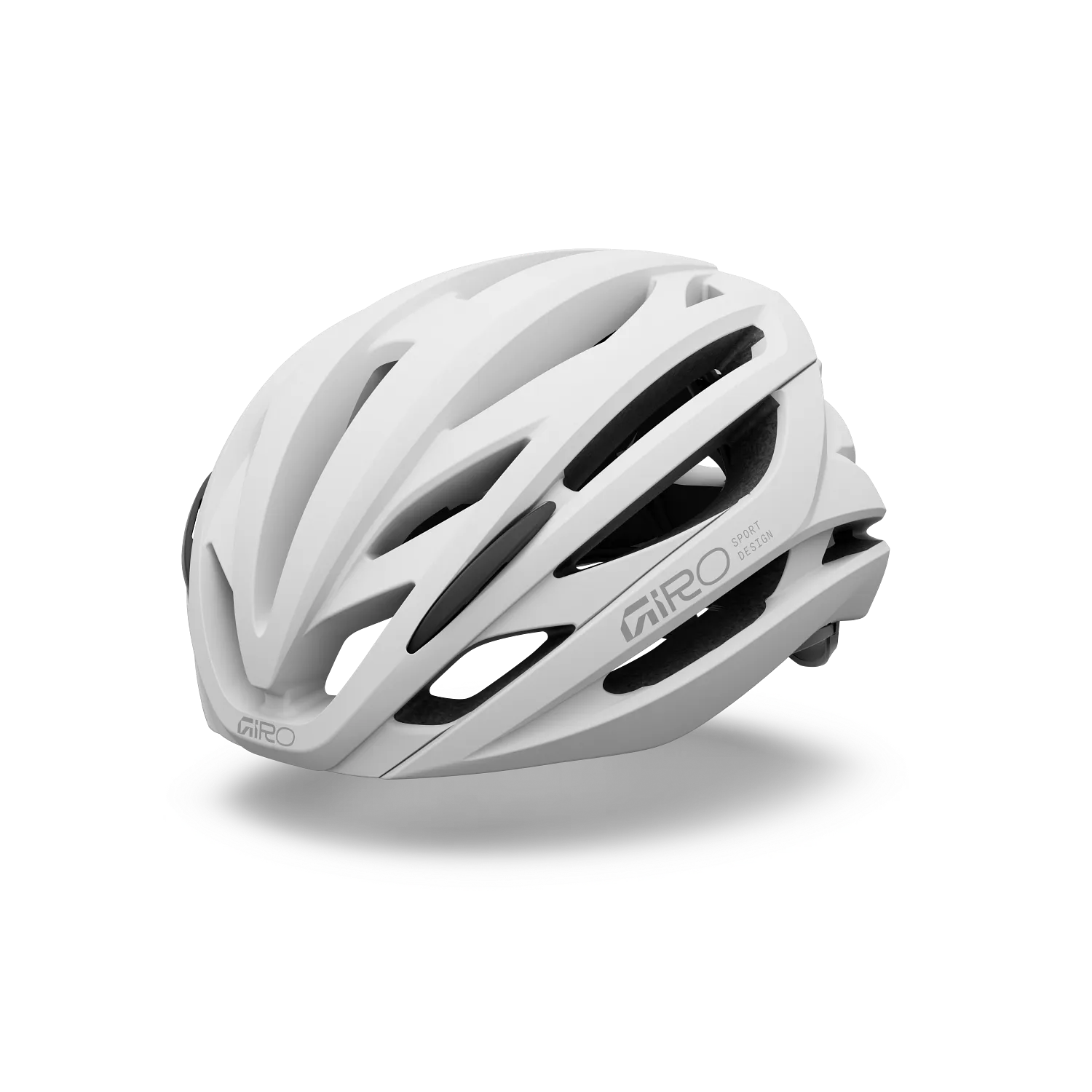
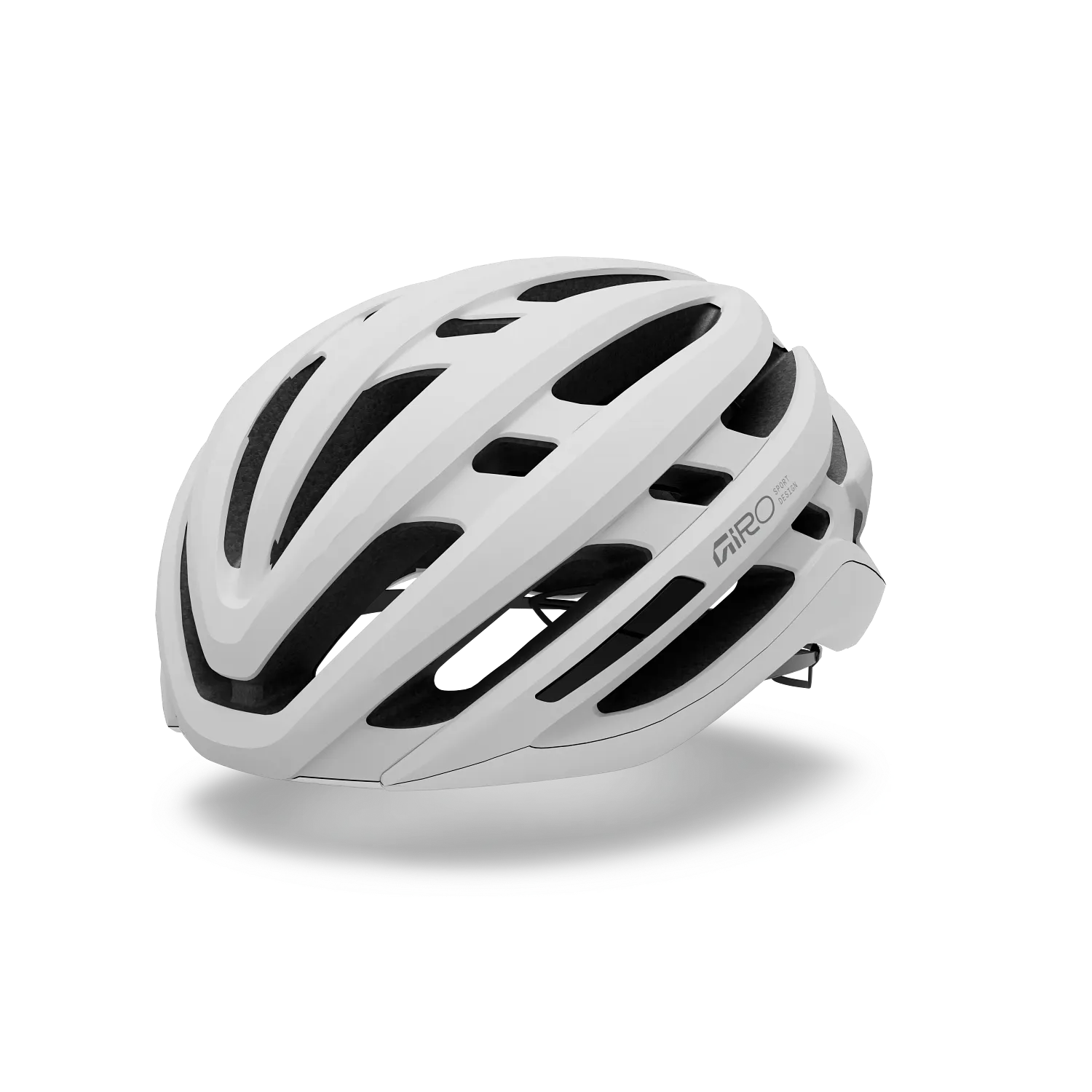
Watch out: A MIPS label does not replace a certification. Confirm the helmet carries a CPSC label as well.
Open helmets offer airflow and a lighter feel, which suits most commuting and recreational riding. Full-face designs cover more of the head and chin, and riders who spend time at higher speeds often choose them for that reason. The Kali Protectives Uno Helmet is a versatile option that works for many riding styles, and riders who want a more protective build can compare it with the Kali Central helmet for urban use.
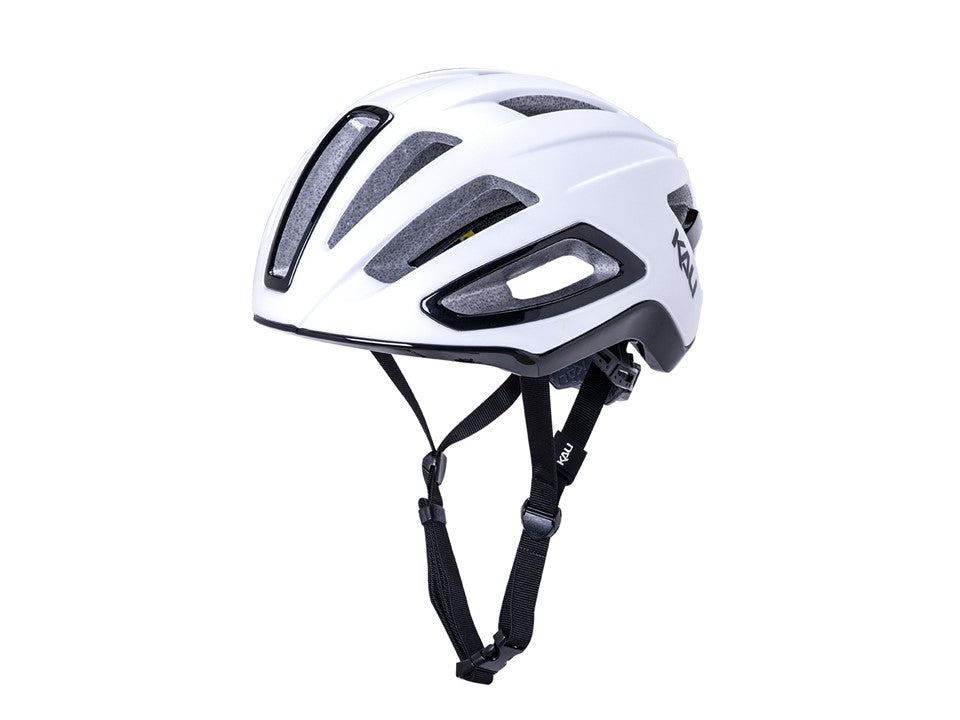
Our recommendation depends on where you ride. Choose an open design for short city trips and a fuller-coverage helmet for fast descents or longer rides.
A helmet only protects you if it fits, and fit is where most buying guides stop at a sizing chart. The same fit principles apply to electric bike helmets, which need to stay secure at higher speeds. Head circumference gets you into the right size range, but it does not tell you whether a helmet will actually stay put in a crash. Use the steps below in order, and treat the last two as the ones that matter most.
1. Measure, then size. Wrap a soft tape measure around your head just above the eyebrows and around the widest part of the back of your head. Compare that number to the manufacturer's chart, not to a generic small/medium/large assumption, sizing runs differently between brands. If you are between sizes, try both; the fit system can usually take up slack, but it cannot fix a shell that is too small.
2. Match the shell to your head shape. Heads are not round. Some are more oval front-to-back, others wider side-to-side. A helmet that is the right circumference can still create pressure points at the forehead or temples if the shell shape does not match yours. This is the single biggest reason a helmet that reviews well feels wrong on a particular rider, and it is why trying on in person beats ordering blind.
3. Adjust the fit system and straps. Tighten the dial until the helmet sits level and stays put when you shake your head, with the front edge about one finger above your eyebrows. Then set the straps so they form a V just below each ear and the chin strap is snug enough that you can fit only a finger or two under it. A helmet that rocks forward or back when you push on the front edge is not adjusted yet.
4. Do the real-world fit check. Put the helmet on, leave the chin strap fastened, and push up firmly on the front edge. The helmet should not roll back far enough to expose your forehead. Then check it with the things you actually ride with: hair tied up, a cap underneath, glasses or sunglasses, and any eyewear you wear on the bike. A helmet that fits bare-headed can sit too high once you add hair or a liner, and arms of glasses can press against the shell or lift the front edge.
5. Account for riders who need more than a chart. Riders with limited neck mobility, balance concerns, or who wear hearing aids often need a lighter shell and a fit system they can adjust one-handed. Riders with long hair should check that the retention cradle does not catch or pull. These are fit questions a sizing chart never answers, and they are worth raising with staff who fit helmets regularly.
Watch out: A helmet that feels comfortable in the shop but shifts when you shake your head is not fitted, comfort and security are different tests, and only the second one matters in a crash.
Adjustment systems differ by brand. The Roc Loc system on Giro helmets and the Zoom Spin system on Abus helmets each let you tune the fit. Whatever the mechanism, the goal is the same: a helmet that sits level, stays put, and works with the hair and eyewear you actually ride with.
Choosing a helmet is easier when you try it on in person. Our team can check your fit, explain certification labels and help you match a helmet to how you ride. If you also need bike fitting or maintenance, you can book a bike fit with our team before your next ride.
A standard bicycle helmet is designed for speeds typical of pedal bikes, while many e-bikes can reach 20 mph or more with pedal assist. Riders who use higher-speed e-bikes should look for a helmet that carries a CPSC certification at minimum and, where possible, a higher-speed standard such as NTA 8776. Certification labels are printed inside the helmet and listed on the product page, so check them before you buy.
NTA 8776 is a US standard for helmets used on e-bikes and other higher-speed bikes. It is a useful marker for riders who regularly go faster. Not every helmet carries it, and a helmet without it can still be fine for lower-speed commuting. Look for the certification label inside the helmet and on the product page.
Full-face helmets cover more of the head, including the chin and jaw, which is useful for riders who travel at higher speeds or on rougher terrain. Open-face and standard road helmets are lighter and cooler, which suits casual commuting and urban riding. The better choice depends on how fast and how far you ride, and on how much you value ventilation versus coverage.
A properly fitted helmet sits level on the head, about one or two finger widths above the eyebrows, and does not rock forward or back. The retention system should hold it snugly without pressure points, and the chin strap should be tight enough that the helmet cannot be pulled off with a hand. Adjust the fit dial until the helmet feels secure, then check it again after a short ride.


Leave a comment