

Last Updated: November 16, 2026
Quick Summary
Upgrading to carbon wheels reduces rotating mass, cuts aerodynamic drag, and stiffens the rim for more direct power transfer. The gains are real but modest and scale with speed, so they reward riders already holding a fast pace rather than rescuing a poor bike fit.
The benefits of upgrading to carbon road bike wheels come down to three measurable things: less rotating mass, less aerodynamic drag, and a rim that transmits power differently than alloy. Everything else riders describe, the "livelier" feel, the "sharper" cornering, traces back to those three. The riders who get the most from a carbon upgrade are the ones who understand what it does and does not do.
Here is what most guides get wrong: they treat a wheel upgrade as a speed purchase. It is really a priority purchase. Carbon wheels sharpen a bike that already fits you well. They cannot rescue a poor position or the wrong frame size.
Below, we break down the real differences, where you feel them, and how to decide whether they are worth it for your riding.
Carbon wheels are rims molded from carbon fiber composite; alloy wheels are built from aluminum. That material difference drives everything else: weight, shape, stiffness, and how the wheel behaves under braking and in wind.
| Feature | Carbon Wheels | Alloy Wheels |
|---|---|---|
| Weight | Lower, especially at depth | Heavier at equal depth |
| Aerodynamics | Deep aero shapes possible | Shallower shapes practical |
| Ride feel | Stiffer, more vibration transfer | More forgiving, muted |
| Braking | Disc-specific on modern sets | Rim or disc compatible |
| Durability | Repairable, varies by brand | Dents rather than cracks |
| Cost | Higher upfront | Lower entry point |
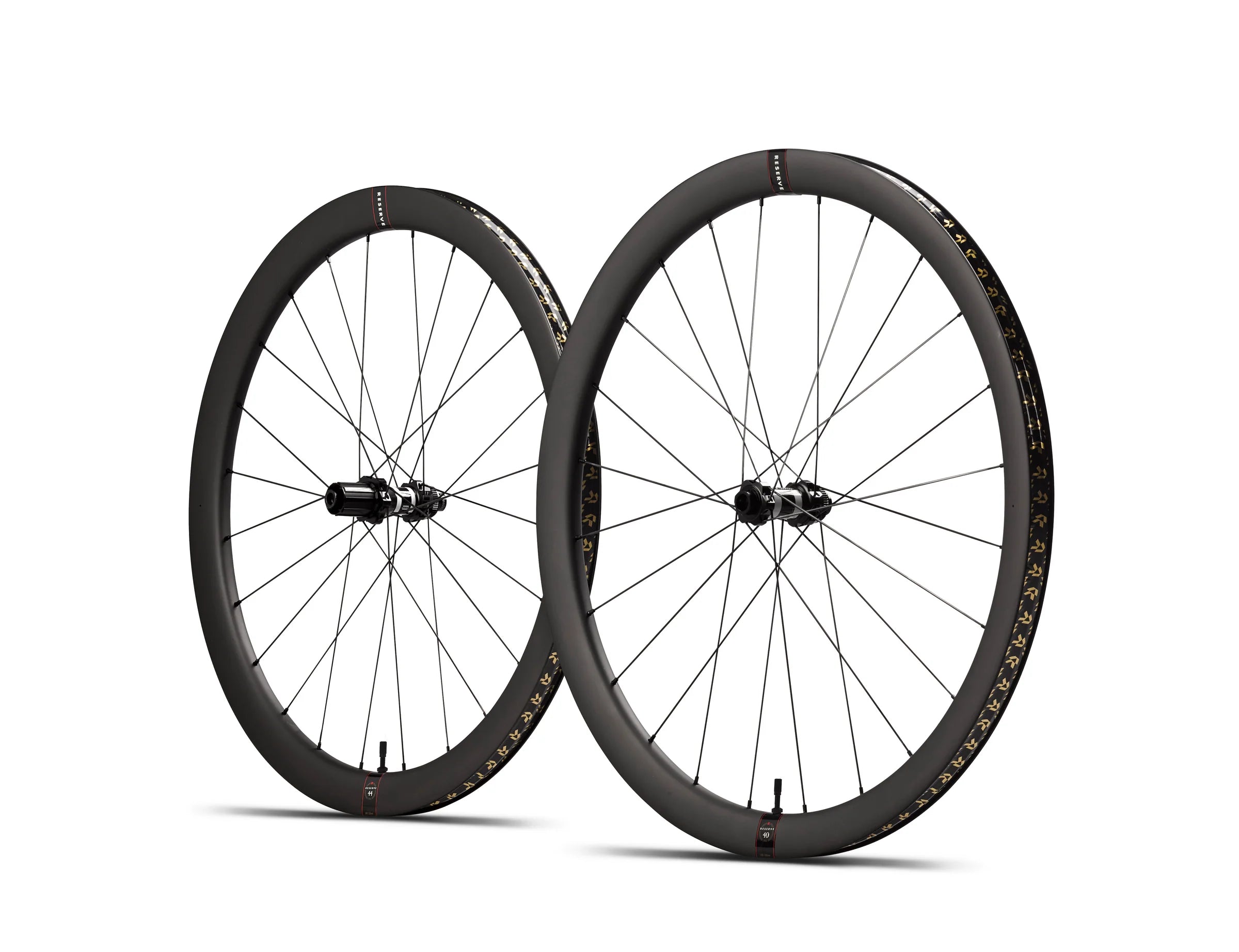
The shape freedom is the underrated part. Carbon can be molded into a deep, truncated airfoil that alloy cannot match economically. That shape, not just the weight, is where most of the speed lives.
A lighter rim matters more than a lighter frame because you accelerate it with every pedal stroke. Rotational weight sits at the outer edge of the wheel, so saving grams at the rim has an outsized effect on how quickly the wheel spins up. You feel it in surges, in stop-and-go riding, and in the first pedal stroke out of a corner. You do not feel it much at a steady cruising speed.
Carbon rims are typically stiffer laterally, which means less flex under hard efforts and sharper tracking through corners. That stiffness is why power transfer feels more direct. The trade-off is compliance: a very stiff carbon rim can transmit more road vibration. Modern wider internal widths and tubeless setups offset much of that, but it is a real variable. This is exactly where carbon wheels differ from one model to the next, not just carbon versus alloy.
Honest answer: aero gains are real but modest, and they scale with speed. The useful way to think about it is in watts, not in vague speed claims. Aerodynamic drag rises with the square of speed, so the faster you go, the more watts a deep rim saves. That is why a deep carbon wheelset feels transformative at 25 mph in a group and nearly invisible at 14 mph on a coffee ride.
Aerodynamic drag rises with speed, so the saving from a deep aero wheelset grows as speed increases. The exact gain depends on rim depth, tire width, frame, and rider position. The takeaway is that wheels are a speed-dependent purchase, and the rider who benefits most is the one already holding a fast pace.
Weight savings work differently. A lighter rim helps acceleration more than top speed, because you are repeatedly spinning that mass back up. On a steady climb, gravity cares about total system weight, and wheels are a small slice of it, so the climb benefit is smaller than most riders expect. Where carbon shines on a climb is the responsiveness on switchbacks and out-of-saddle surges.
When you see a claim that a wheelset 'saves X seconds over 40 km,' ask three questions: at what speed, in what wind conditions, and on what bike and tires? A test run at 30 mph on a TT bike does not translate to a hilly group ride. The most credible comparisons hold tire width, pressure, and position constant and report watts at a stated speed. If a claim does not state its conditions, treat it as marketing rather than measurement.
Lower rotational weight can sharpen acceleration and sprinting, where you repeatedly spin the wheel back up. You feel it in surges, in stop-and-go riding, and in the first pedal stroke out of a corner. You do not feel it much at a steady cruising speed. That is the honest split: aero rewards sustained speed, low rotational weight rewards repeated accelerations, and neither rescues a poor position or the wrong frame size.
Depth is the biggest handling decision you will make. Deeper rims are faster in a straight line but catch more wind, and a twitchy front wheel in a gust is a genuine safety concern. Shallower rims are calmer and lighter but give up some aero advantage.
The fix is a mixed profile. A shallower front paired with a deeper rear delivers most of the aero benefit with far better stability. If you ride exposed roads with steady crosswinds, that pairing matters more than chasing maximum depth. You can browse a shallower carbon wheelset to see how a calmer front profile looks in practice.
Worth it depends on where your money buys the most speed and comfort. For most riders, a professional bike fit and the right tires come first. Wheels come after the position is dialed in, because a great wheelset on a poorly fitted bike wastes its advantages.
If you are still deciding on the bike itself, our road bike buyer's guide covers how to sequence upgrades so wheels are not the first thing you buy.
Look past the sticker price. Factor in tires, tubeless setup, brake pads, and eventual hub service. A wheelset that is easy to service and backed by a strong warranty usually costs less over several seasons than a cheaper set that needs constant attention. Our upgrade order, in short:
Modern carbon road wheels are overwhelmingly disc-brake, which sidesteps the heat and wear issues that plagued older rim-brake carbon. Disc braking on carbon is consistent and predictable. If you run rim brakes, confirm compatibility before buying: rim-brake carbon tracks require pads formulated for carbon, and sustained heavy braking on long descents generates heat that can affect older rim-brake carbon tracks. Check your frame's axle standard (quick-release versus thru-axle), rotor mount, and maximum tire width before you commit. For brake pads matched to carbon rims, see our carbon-specific brake pads.
Durability is better than the old reputation suggests. Carbon does not dent, though it can crack in a severe impact. Repairability and warranty vary by brand, so read the terms before buying. Serviceability is the quiet winner: external nipples, standard spokes, and common hub standards make long-term ownership far easier and cheaper to maintain.
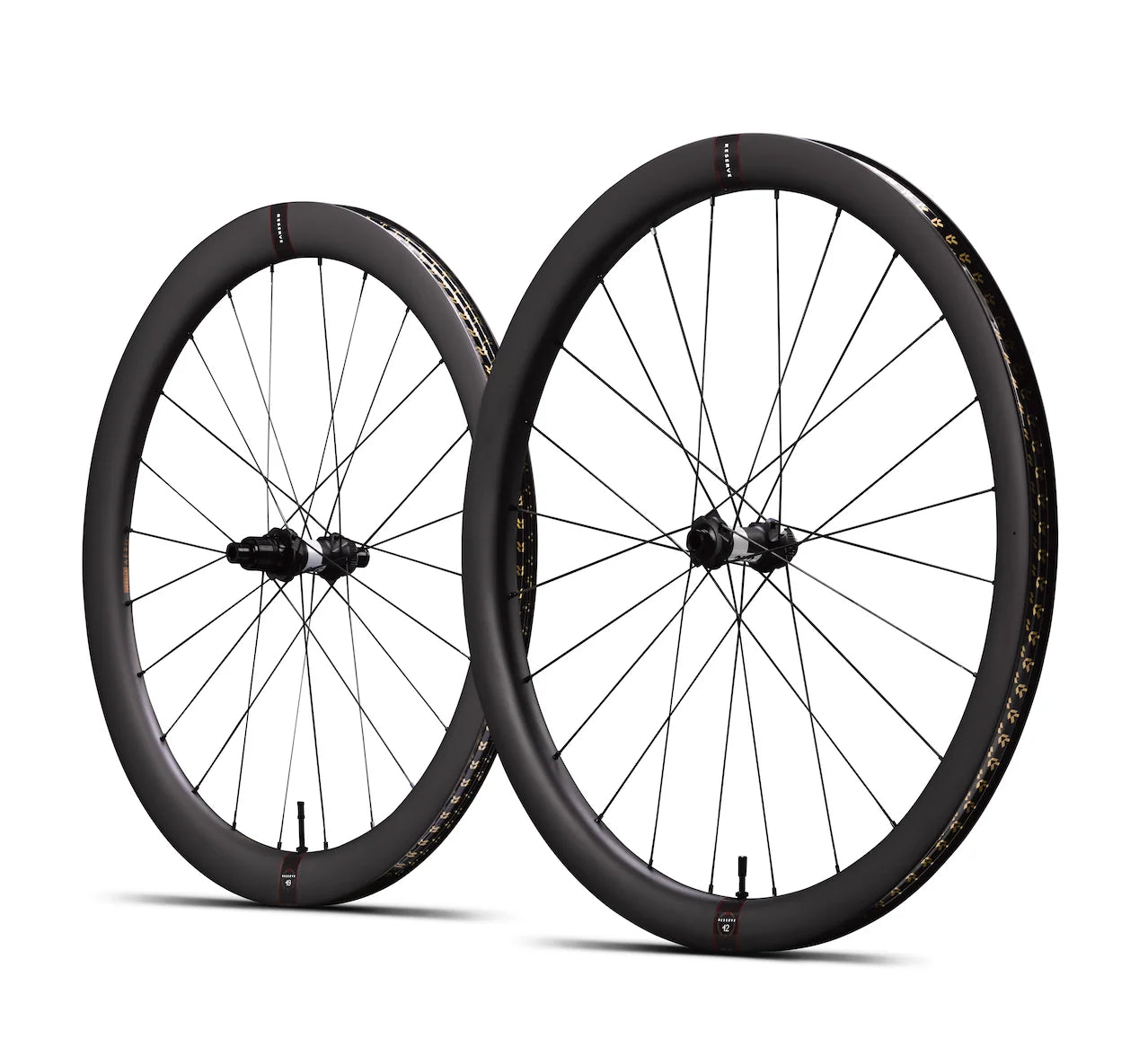
Carbon wheels are not a universal upgrade. They reward the rider who already holds a fast pace, rides rolling or flat terrain, and wants sharper handling and acceleration. They are a harder sell for the rider on a tight budget, the rider who mostly climbs at low speed, or the rider on exposed, gusty roads where a deep front wheel costs more in confidence than it gains in speed. Match depth to terrain and goals, not to what looks fast: rolling terrain and mixed group rides favor a mid-depth set, flat fast courses reward deeper rims, and hilly or windy routes favor shallower, lighter profiles. Bring your weight, budget, typical routes, and race calendar to a fit session and we will match depth to what you actually ride.
Modern carbon road wheels are overwhelmingly disc-brake, which sidesteps the heat and wear issues that plagued older rim-brake carbon. Disc braking on carbon is consistent and predictable. If you run rim brakes, confirm compatibility before buying.
Durability is better than the old reputation suggests. Carbon does not dent, though it can crack in a severe impact. Repairability and warranty vary widely by brand, so read the terms. For brake pads matched to carbon rims, see our carbon-specific brake pads.
Match depth to terrain and goals, not to what looks fast. Rolling terrain and mixed group rides favor a mid-depth set. Flat, fast courses and triathlon reward deeper rims. Hilly routes and windy coastlines favor shallower, lighter profiles. If you want a deeper option for race days, a deeper carbon wheelset lets you add speed without changing bikes. Bring your race calendar and typical routes to a fit session and we will match depth to what you actually ride.
The right wheelset is the one that fits your position, your terrain, and your goals, and that is a conversation, not a spec sheet. We help riders sort through depth, braking, and budget so the upgrade delivers on the road. Our team offers professional bike fitting and expert repair and service.
Get started with Playtri Sarasota and ride farther, faster, and more comfortably on wheels chosen for you.
It depends on what you want to change. Carbon wheels sharpen acceleration, hold cruising speed with less effort, and damp road vibration compared with typical alloy hoops. If you race, ride fast group rides, or want the bike to feel quicker on climbs and corners, the upgrade makes sense. If you mostly commute at an easy pace, the gain is smaller than the money spent. A shop consultation can tell you whether your frame and brakes are ready for a carbon wheelset.
There is no single number, because speed depends on rim depth, tire choice, and your average pace. Deeper carbon rims cut aerodynamic drag most at higher speeds, so riders holding 20 mph or more see the largest benefit. Lighter carbon rims help more on acceleration and climbing than on flat cruising. Treat any claimed time saving as specific to one wheel, one tire, and one speed, and test the setup you actually plan to ride.
Cost is the obvious one, and deep rims can feel twitchy in strong crosswinds until you adjust. Carbon also needs care during installation: use the correct brake pads on rim-brake wheels, respect tubeless pressure limits, and avoid overtightening. Repairability varies, so check the warranty and crash replacement policy before buying.
For most recreational riders, wheels are the highest-value upgrade after tires and a proper bike fit. A carbon wheelset at the right depth makes the bike feel livelier on rolling terrain and more comfortable over rough pavement, which matters on longer weekend rides. If you ride a few times a month at a relaxed pace, spend on fit and service first. Once those are dialed in, wheels deliver the most noticeable change per dollar.


Leave a comment